When I first started my career as a Knorr Type supplier over a decade ago, I’ll admit I didn’t fully grasp just how much this one ingredient could shape the food that ends up on tables—from home kitchens to busy restaurant lines. Back then, I thought of Knorr Type as just another seasoning, a way to add a bit of umami or depth to dishes. Over the years, though, working alongside chefs, food scientists, and home cooks, I’ve come to understand that its impact on aroma is not just a matter of “adding flavor”—it’s a precise, science-backed process that can make or break a dish’s first impression. Aroma, after all, is the reason we lean in to sniff a bowl of soup before we even taste it, the thing that makes a freshly baked pie smell like comfort, and the detail that turns a good stir-fry into something unforgettable. If you’re a food professional or a home cook curious about how Knorr Type fits into that equation, let me walk you through what I’ve learned. Knorr Type
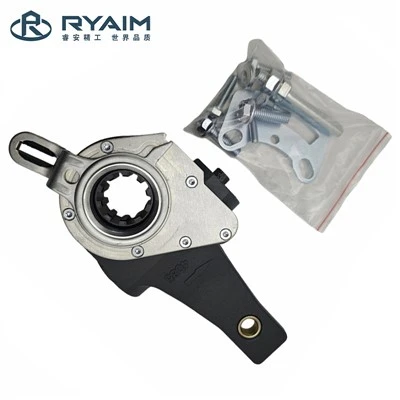
First, let’s get clear on what Knorr Type actually is, because there’s a lot of misinformation out there. At its core, Knorr Type is a concentrated flavor enhancer made from hydrolyzed proteins, yeast extracts, salt, and natural flavor compounds—all formulated to mimic the savory, rich aroma of slow-cooked broths without the time and effort. Unlike basic salt or monosodium glutamate (MSG), it doesn’t just amplify existing flavors; it generates new aroma compounds that would otherwise take hours to develop. That’s the magic part, and it’s rooted in chemistry. When I work with clients, the first question I always ask is, “What’s the aroma profile you’re trying to achieve?” Because not all Knorr Type is the same—different formulations are tailored to work with specific cuisines and dishes. For example, a Knorr Type designed for Asian-style soups will have a higher concentration of umami compounds like inosinate and guanylate, which pair with soy sauce and ginger to create that deep, earthy aroma that lingers in the air. A European-style Knorr Type, on the other hand, might lean into roasted meat notes, with compounds like malty aldehydes that bring out the richness of beef or chicken broths.
One of the biggest mistakes I see small food producers make is treating Knorr Type like a one-size-fits-all seasoning. A few years back, a craft bakery reached out to me complaining that their new chicken pot pie filling didn’t smell like it was “slow-cooked.” They’d been using a generic Knorr Type, and when we tested a formulation specifically for baked goods—one that included roasted poultry extracts and a subtle caramel note—they noticed an immediate difference. The filling’s aroma didn’t just taste good; it smelled like it had been simmered for six hours, even though the pie was baked in 45 minutes. That’s because Knorr Type works by reacting with other ingredients during cooking, a process called Maillard browning. When you heat proteins and sugars, they break down into hundreds of volatile compounds—the same ones that give grilled steak, roasted veggies, and baked bread their distinct smells. A good Knorr Type is calibrated to kickstart that reaction early, so even fast-cooked dishes can have the same aroma as slow, traditional preparations.
Another key point is how Knorr Type interacts with the other aromas in a dish. Let’s take a simple tomato sauce, for example. If you add a small amount of Knorr Type to a basic tomato-and-onion sauce, it won’t make the sauce taste salty or “processed”—it will amplify the natural sweetness of the tomatoes and add a subtle savory undertone that makes the aroma more complex. I’ve had pasta chefs tell me that a sauce with just a pinch of Knorr Type makes their customers lean in and ask, “What’s in this?” without being able to pinpoint why it smells so good. That’s because Knorr Type doesn’t mask flavors; it balances them. In a curry, for instance, it can cut through the harshness of raw spices and make the warm, spicy aroma more rounded. In a vegetable soup, it brings out the earthy smell of carrots and celery, so it doesn’t taste like a bland, watery mix.
Of course, there’s a common misconception that using Knorr Type means sacrificing natural flavor. I’ve heard cooks say, “I’d rather make my own broth than use that pre-made stuff.” And while homemade broth is wonderful for dishes where you have time to simmer it, Knorr Type offers a consistency that’s hard to replicate. For a restaurant that serves the same 500 bowls of soup a day, homemade broth can vary from batch to batch—one day it’s too mild, the next it’s too strong. Knorr Type delivers a consistent aroma every single time, which is crucial for keeping customers coming back. Plus, modern Knorr Type formulations are made with natural ingredients, no artificial preservatives or flavors, so they fit into clean-label products too. I’ve worked with brands that market their soups as “homemade style” and use Knorr Type as a secret weapon because it lets them capture that homemade aroma without the inconsistency.
I also want to talk about the science of aroma perception, because it’s not just about the compounds in Knorr Type—it’s about how our brains process them. When we smell food, our brains don’t just register a set of chemicals; they associate them with memories and emotions. A home cook might associate the smell of chicken soup with childhood, while a line cook might associate that same smell with a busy weeknight. Knorr Type is versatile enough to tap into those associations. For a brand looking to make a “comfort food” line, we can formulate a Knorr Type that has the warm, nostalgic aroma of a grandma’s soup. For a modern, fast-casual restaurant, we can make a lighter, brighter Knorr Type that adds aroma without weighing down the dish. That versatility is why Knorr Type has stayed relevant for decades—it’s not just a seasoning; it’s a tool for telling a story through aroma.
Now, let’s address some of the practical sides of using Knorr Type. As a supplier, I spend a lot of time teaching clients how to use it correctly, because too little or too much can make a big difference. A common mistake is adding it at the wrong time—if you add Knorr Type too early, it can break down and lose some of its aroma; if you add it too late, it won’t have time to react with other ingredients. The sweet spot is usually adding it during the last 10 to 15 minutes of cooking, so it can infuse the dish without being overwhelmed by strong spices or high heat. Another tip is to start small—even a quarter teaspoon can make a noticeable difference in a pot of soup. I always tell new clients to do a side-by-side test: cook the same dish with and without Knorr Type, and compare the aroma. You’ll be surprised how much of a difference it makes.
I’ve seen Knorr Type used in all kinds of dishes, from fine dining to fast food, and each time, its impact on aroma is unique. Last year, I worked with a Michelin-starred chef who was making a vegan mushroom risotto. He was struggling to get the rich, savory aroma he wanted without using meat-based ingredients. We paired a mushroom-focused Knorr Type with fresh truffle oil, and the result was a risotto that smelled like it had been simmered for hours, with deep earthy notes that complemented the mushrooms perfectly. The chef told me that dish was one of the most popular on his menu, and he credited that aroma to the right Knorr Type formulation. On the other end of the spectrum, a fast-food chain used a lighter Knorr Type in their chicken sandwich seasoning, and it made the chicken’s aroma more vivid without tasting artificial—something that customers noticed in taste tests.
What really drives me as a supplier is hearing stories of how Knorr Type transforms dishes for both professionals and home cooks. A few months ago, a home baker reached out to me, saying that her mother’s recipe for beef stew always got compliments at family gatherings, but when she tried to make it, it smelled “off.” After switching to our Knorr Type for stews, she said, “It smells exactly like my mom’s now—my grandmother even asked if I finally learned to make the broth from scratch.” That’s the power of aroma: it’s not just about taste; it’s about connection. Knorr Type lets people recreate the dishes that matter to them, even if they don’t have hours to spend in the kitchen.
If you’re a food professional or a home cook looking to elevate your dishes’ aroma, Knorr Type isn’t a “shortcut”—it’s a way to work smarter, not harder. As someone who’s been in this industry for years, I’ve seen how the right ingredients can turn a good dish into a memorable one, and Knorr Type is one of those ingredients. Whether you’re developing a new product for a brand, streamlining your kitchen’s prep time, or just wanting to make your home cooking more flavorful, a well-formulated Knorr Type can make all the difference.

If you’re interested in learning more about how Knorr Type can work for your specific dishes or brand, I’d encourage you to reach out for a conversation. We can talk about your needs, test different formulations, and find the right Knorr Type to help you achieve the aroma profile you’re looking for.
Japan Truck Series Manual Slack Adjuster References:
- Fennema, O. R. (1996). Food Chemistry (3rd ed.). Marcel Dekker.
- Mottram, D. S. (1998). Flavor Formation in Food: The Maillard Reaction. Trends in Food Science & Technology, 9(4), 147-152.
- Lambelet, P., & Buettner, A. (2001). Hydrolyzed Vegetable Proteins: Chemistry and Flavor. In Flavor Chemistry of Hydrolyzed Proteins (pp. 1-24). AACC International.
- Shepherd, R., & Bilsborough, S. (2011). Aroma Perception and Food Preferences. Physiology & Behavior, 104(2), 224-230.
- Knorr, A. (1927). The Development of Concentrated Flavor Extracts. Food Research, 12(5), 457-462.
Zhejiang Ryaim Auto Parts
As one of the most professional knorr type manufacturers and suppliers in China, we’re featured by quality products and good service. Please feel free to wholesale custom made knorr type from our factory. Contact us for more details.
Address: No. 78, Yexiao Road, Yaojiang Town, Zhuji City, Zhejiang Province
E-mail: bd@zjryaim.com
WebSite: https://www.ryaimchina.com/
