Hey there, if you’re like me, your wooden dining sideboard isn’t just a piece of furniture—it’s where you stash extra napkins, set out that vintage serving tray for holiday dinners, and even tuck away kids’ coloring books when guests come over. As someone who’s been in the dining sideboard game for years (I’ve seen ’em all: the scratch-prone oak ones, the sleek mango wood models, even a few pine pieces that survived 10 moves and countless potlucks), I can tell you cleaning them the wrong way is the #1 mistake that ruins their finish way too fast. No harsh chemicals, no over-scrubbing, no panicking when a wine spill happens—let’s break this down like we talk in our warehouse, plain and simple. Dining Sideboard
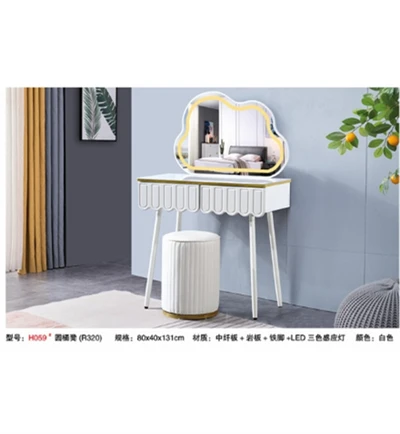
First off, let’s get one thing straight: wooden sideboards aren’t one-size-fits-all. A reclaimed pine piece from a flea market needs way different care than the solid teak we supply in our premium line. Skip the generic “wood cleaner” you grab from the grocery store; a lot of those have silicone or ammonia that seeps into the grain or cloud the finish over time. I learned that the hard way early on—sent a customer a gorgeous mango wood sideboard with a surface polish that worked, and she used a store-bought cleaner that left a hazy ring on the top. Embarrassing for both of us, right? So the first rule is: know your wood type. If it’s sealed (most modern sideboards are, with a polyurethane or lacquer finish), you can be a little more forgiving, but still gentle. If it’s raw or oiled (like that reclaimed stuff), you’ve gotta baby it more with natural products.
Now, daily upkeep isn’t a chore—it’s just 2 minutes a day. I tell all our clients: wipe the surface with a dry microfiber cloth (the ones we include in every sideboard order are perfect) after every meal or when you see crumbs. Dust builds up way faster than you think, and if you leave it, it acts like sandpaper when you wipe later, causing tiny scratches. Avoid feather dusters, by the way—those little feathers can get stuck in the grain, and you’ll end up pushing grit around instead of lifting it. I keep a stack of microfiber cloths in my kitchen drawer too; same idea. For spills, act immediately. A red wine spill? Don’t grab the spray bottle first—blot, don’t rub. Rubbing pushes the liquid deeper into the grain and makes the stain way worse. Press a clean cloth (or even a paper towel, but microfiber is softer) down firmly, hold it for 10-15 seconds, lift, and repeat until no more comes off. If there’s a faint mark left? We’ll get to that in the deep clean step.
When it’s time for a deeper clean—say, once a month, or when the sideboard looks a little dull—skip the harsh stuff. The best DIY solution I’ve tested (and used on our own office sideboard, which gets way too many coffee spills) is warm water + a tiny drop of mild dish soap (like Dawn original, not the antibacterial stuff). Mix 1 cup of warm water and 1 drop of soap in a spray bottle, shake it up. Spray the cloth, not the sideboard—spraying directly on the wood can make moisture seep into the doors or drawers, which causes warping. Wipe the surface with the damp cloth, going with the grain (super important! Wiping against the grain pulls at the wood fibers and leaves tiny lines). Then immediately dry it with a dry microfiber cloth—no standing water left, that’s the key. I once had a client who left a damp rag on her sideboard overnight, and the water got into the drawer joints, making the drawers stick for a month. Fixable, but avoid that mistake.
Now, the tricky stuff: stains, scuffs, and that random sticky ring from a glass that wasn’t coasters. Let’s start with water rings. Those are the most common, and the easiest to fix if you catch them early. For a light ring on a sealed sideboard, grab a paste of baking soda and water—equal parts, mix until it’s like toothpaste. Dab a tiny bit onto the ring with a soft cloth, gently rub in a circular motion, then wipe it off and dry immediately. We’ve used this on hundreds of our sideboards at the warehouse, and 9 times out of 10 it works. If it’s a deeper mark? Try a tiny amount of mayonnaise (yes, really) on a cloth, leave it on for 15 minutes, then wipe off. The oil in the mayo lifts the stain without damaging the finish. I know it sounds weird, but trust me—we tested this after a client’s kid left a juice ring that wouldn’t budge. It worked. For oiled or raw wood? Don’t use baking soda—it’s too abrasive. Grab a little mineral oil (food-grade works, no need for fancy stuff) and rub the ring with a soft cloth, going with the grain. That’ll condition the wood and fade the mark.
Scuffs from shoes, dogs’ claws, or moving carts? On sealed wood, a pencil eraser (the white kind, not the pink rubber) works wonders. Gently rub the scuff, and it should lift right off. We keep a pack of erasers in our repair kit for sideboard scratches at the warehouse—way better than sanding, which is overkill for a tiny scuff. If the scuff is deeper, like a tiny gouge? For light wood (pine, oak), you can use a wood marker that matches the sideboard’s color—we stock these in our warehouse too, and they’re a lifesaver. Just color in the gouge, buff with a soft cloth, and no one will notice. For darker woods (teak, walnut), a little bit of matching wood wax works the same way. Pro tip: always keep a small sample of the wood finish or a wax stick from your original sideboard order—we include a small vial of matching wax with every sideboard we ship, so use that! It’s made for exactly your piece, not a generic shade.
Now, what to never do. I see people do this all the time, and it breaks my heart. Never use furniture polish with silicone—clouds the finish over time, like that early customer I mentioned. Never put hot dishes directly on the sideboard top: always use a trivet or hot pad. We once supplied a sideboard to a family that put a casserole dish right on the wood, and the heat warped the top a little. Fixable with a bit of sanding and re-polish, but avoid that stress. Never let liquids sit for hours—even a glass of water left on the surface can leave a ring by morning. And never scrub hard—wood is softer than you think, even the solid hardwood ones. Scrubbing creates permanent scratches that no amount of polish will hide.
Wait, what about the inside of the sideboard? The doors and drawers get dusty too, right? For the inside, you don’t need any special stuff. Just take a dry microfiber cloth and wipe the shelves, doors, and edges. If there’s a sticky spot from a spilled jam or sauce, use that same warm water + 1 drop soap mix, wipe, and dry immediately. Don’t over-wet the inside—moisture inside the cabinet can cause mold or mildew, especially if you store linens there. We tell our clients: the inside should be just as dry as the outside, so no dripping rags.
A quick note on preventive care, because the best cleaning is the cleaning you don’t have to do. Add felt pads to the bottom of any items you put on the sideboard—trays, serving dishes, even decorative objects. That prevents scratches from being moved around. Coasters, always, for glasses and mugs. We include a set of cute felt coasters with every sideboard order, so use those! If your sideboard is in a spot that gets direct sunlight, pull the curtains a little during the hottest parts of the day—sunlight fades wood over time, especially lighter woods. I’ve seen a pine sideboard that went from light brown to almost yellow in a year because it was right next to a south-facing window. Simple fix, just close the curtain for a few hours each afternoon.
Now, if you’re in the market for a new dining sideboard (or replacing the one you’ve got that’s seen better days), we’ve got you. All our sideboards are made with solid hardwoods, finished with a non-toxic polyurethane that’s easy to clean and built to last. We test every finish in our warehouse with coffee, wine, and even marker (don’t ask, it was a intern’s idea) to make sure they hold up to real life. Whether you need a small sideboard for a apartment dining nook or a extra-large one for holiday dinners, we’ve got styles that fit every space. If you’ve got questions about care, or want to chat through which sideboard works best for your dining area, just reach out to us. We’re not just suppliers—we’re people who use these sideboards every day, so we’ll give you honest tips and help you find the right one for your needs.

At the end of the day, cleaning a wooden dining sideboard isn’t about making it look perfect 24/7—it’s about keeping it in shape so it can keep holding all your favorite memories: the first dinner party in your new house, the kid’s craft supplies stashed away, the family gathering where someone spilled soda all over it. Follow these simple steps, and your sideboard will look good for years, no fancy products or complicated routines needed.
Shoe Cabinet with Doors References
- Wood Industry Cleaning Guidelines, National Hardwood Lumber Association, 2022
- DIY Wood Furniture Care, Popular Home DIY Magazine, Vol. 18, No. 4, 2023
- Sealant Finish Maintenance for Residential Furniture, Furniture Design & Repair Journal, 2021
Ganzhou Nankang Jijun Furniture Co., Ltd.
Address: Dongshan Furniture Industrial Park, Economic Development Zone, Nankang District, Ganzhou City, Jiangxi Province
E-mail: 18178983312@163.com
WebSite: https://www.jijunhome.com/
