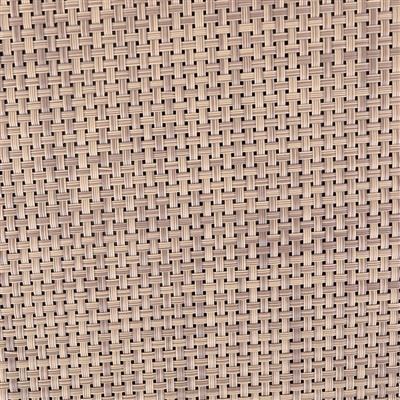
PP woven cloth, also known as polypropylene woven cloth, is a versatile material commonly used in various industries such as agriculture, packaging, and construction. As a supplier of high – quality PP woven cloth, I understand the importance of accurate cutting. Inaccurate cutting can lead to a waste of materials, increased costs, and a decrease in product quality. In this blog post, I will share some practical tips on how to cut PP woven cloth accurately. PP Woven Cloth
Understanding the Properties of PP Woven Cloth
Before we start cutting, it’s crucial to understand the properties of PP woven cloth. PP woven cloth is made from polypropylene, a thermoplastic polymer. It has several characteristics that influence the cutting process.
One of the key features of PP woven cloth is its strength and durability. The woven structure gives it good tensile strength, which means it can withstand a certain amount of pulling force without tearing. However, this also means that cutting it requires the right tools and techniques.
Another property is its resistance to moisture, chemicals, and UV rays to some extent. These properties can affect the sharpness of the cutting tools over time. For example, if the cloth has been exposed to certain chemicals, it might cause the cutting blades to corrode more quickly.
Selecting the Right Cutting Tools
The choice of cutting tools is vital for accurate cutting of PP woven cloth. Here are some common tools and their suitability for the task:
Scissors
Scissors are a simple and accessible tool for cutting PP woven cloth, especially for small – scale projects or when a small amount of cloth needs to be cut. It’s best to use sharp fabric scissors. Dull scissors can cause fraying and uneven cuts. When using scissors, make sure to apply even pressure along the cutting line. Start the cut at the edge of the cloth and move smoothly and steadily. However, for large – scale production, scissors are not very efficient.
Utility Knives
Utility knives are another option, especially for straight – line cuts. They are more suitable for cutting thicker PP woven cloths. A sharp blade is essential. You can use a retractable utility knife with replaceable blades. When using a utility knife, place the cloth on a flat surface and use a straightedge as a guide. Press the blade firmly against the straightedge and make a single, smooth cut. Be careful not to apply too much pressure, as this can cause the blade to slip and result in an uneven cut.
Cutting Machines
For industrial – scale production, cutting machines are the most efficient choice. There are different types of cutting machines available, such as guillotine cutters, laser cutters, and ultrasonic cutters.
Guillotine cutters are commonly used for cutting large sheets of PP woven cloth. They work by using a sharp blade that descends vertically to cut through the cloth. These cutters can provide very straight and precise cuts, but they are mainly suitable for straight – line cuts.
Laser cutters use a high – energy laser beam to cut through the cloth. Laser cutters can make very precise cuts, including complex shapes. They also have the advantage of sealing the edges of the PP woven cloth as they cut, which reduces fraying. However, laser cutters are relatively expensive and require proper safety precautions due to the high – energy laser.
Ultrasonic cutters use ultrasonic vibrations to cut through the cloth. They are suitable for cutting a variety of materials, including PP woven cloth. Ultrasonic cutters can provide a clean and precise cut, and they can also be used for curved cuts.
Measuring and Marking the Cutting Line
Accurate measurement and marking are the foundation of precise cutting. Here are the steps to follow:
Use Accurate Measuring Tools
For linear measurements, use a measuring tape or a ruler. Make sure the measuring tool is calibrated correctly. For large – scale production, a measuring wheel might be more convenient. When measuring, start from a fixed reference point on the cloth, such as an edge or a corner.
Mark the Cutting Line
Once you have measured the desired length or shape, mark the cutting line on the cloth. You can use a fabric marker or a piece of chalk. Make sure the marking is clear and visible. If you are cutting a large number of identical pieces, you can create a template. Place the template on the cloth and trace the cutting line. Templates can be made from cardboard or other rigid materials.
Pre – cutting Preparation
Before cutting the PP woven cloth, there are several pre – cutting preparations that can improve the accuracy of the cut.
Smooth Out the Cloth
PP woven cloth can sometimes be wrinkled or creased during storage or transportation. Smooth out any wrinkles or creases by gently pulling the cloth in different directions. You can also use a rolling pin to flatten the cloth further. A smooth cloth surface will make it easier to measure, mark, and cut accurately.
Secure the Cloth
To prevent the cloth from moving during the cutting process, it’s important to secure it properly. If you are using scissors or a utility knife, you can hold the cloth firmly with one hand while cutting with the other. For larger pieces of cloth or when using a cutting machine, you can use clamps or weights to hold the cloth in place. Place the clamps or weights along the edges of the cloth, making sure they don’t interfere with the cutting line.
Cutting Techniques
The cutting technique you use depends on the type of tool and the shape of the cut you need to make.
Straight – Line Cuts
For straight – line cuts, as mentioned earlier, use a straightedge as a guide. Whether you are using scissors, a utility knife, or a guillotine cutter, align the cutting tool along the straightedge. When using scissors, keep the blades parallel to the straightedge. With a utility knife, slide the blade along the straightedge, making sure to apply consistent pressure. If using a guillotine cutter, position the cloth correctly under the blade and follow the machine’s operating instructions to make the cut.
Curved Cuts
When making curved cuts, it’s more challenging. If you are using scissors, make small, incremental cuts along the curved line. Take your time and follow the marked line as closely as possible. For more precise curved cuts, an ultrasonic cutter or a laser cutter is a better choice. These machines can follow the curved path accurately, especially when using a digital design or a template.
Cutting Multiple Layers
If you need to cut multiple layers of PP woven cloth at once, make sure the layers are aligned properly. You can stack the layers on top of each other and use a pin or a clamp to hold them in place at one corner. When cutting multiple layers, the cutting tool needs to be sharp enough to cut through all the layers cleanly. For example, if using scissors, you might need to apply more pressure, but be careful not to cause the layers to shift.
Post – cutting Inspection
After cutting the PP woven cloth, it’s important to inspect the cut pieces. Check for any signs of fraying, uneven edges, or inaccurate measurements. If there are minor frays, you can use a heat sealer or an edge – binding machine to seal the edges and prevent further fraying. If the cut is inaccurate, you may need to recut the piece or make adjustments to your cutting process for future cuts.
Conclusion
Accurately cutting PP woven cloth is a combination of understanding the material properties, selecting the right tools, precise measurement and marking, proper pre – cutting preparation, using appropriate cutting techniques, and post – cutting inspection. By following these steps, you can ensure high – quality cuts, reduce material waste, and improve the overall efficiency of your production process.
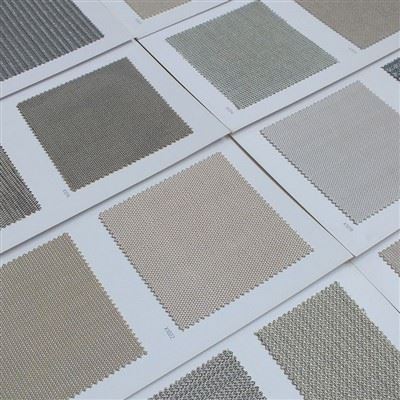
Textilene Fabrics If you are in need of high – quality PP woven cloth for your projects, I invite you to contact me. I am committed to providing superior products and excellent service. Whether you are a small – scale business or a large – scale industrial user, I can meet your specific requirements. Let’s start a conversation and explore how my PP woven cloth can add value to your operations.
References
- "Polypropylene: Properties, Processing, and Applications" by C. D. Han
- "Textile Science and Engineering Handbook" edited by Subhash Anand and S. K. Ghosh
- Industry – specific technical documents on PP woven cloth manufacturing and processing.
Nanping Kingway New Material Co., Ltd.
As one of the most professional pp woven cloth manufacturers and suppliers in China, we also support customized service. With abundant experience, we warmly welcome you to wholesale durable pp woven cloth in stock here from our factory. If you have any enquiry about pricelist, please feel free to email us.
Address: No. 10, Chengnan Branch Road, Chengjiao Town, Nanping, Fujian, China.
E-mail: npjwxcl@aliyun.com
WebSite: https://www.suernew.com/
