If you’re in the packaging, stationery, or food service industry, you’ve probably glanced at stacks of specialty paper and wondered what makes culture paper stand out. As a culture paper supplier with 12 years of hands-on experience talking to factory owners, print managers, and small business operators, I’ve seen first-hand how this material solves problems generic Kraft or copy paper can’t touch. It’s not just a “nice-to-have”—it’s a strategic choice that cuts costs, boosts brand identity, and aligns with the sustainability goals so many of my clients prioritize. Let’s break down the most meaningful advantages, from practical functionality to the quiet benefits that only come from choosing a paper designed for specific uses. Culture Paper
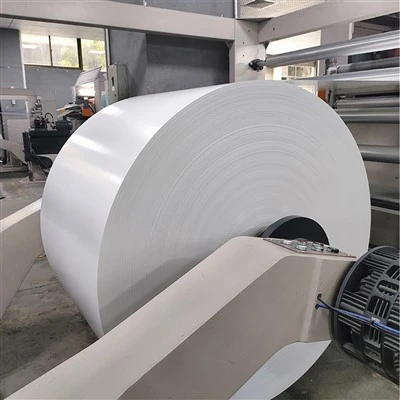
First, let’s clear up a common misconception: culture paper isn’t a single product. It’s a category of specialty papers engineered with unique coatings, textures, and fiber compositions tailored for tasks that standard paper can’t handle. For packaging, it often has a grease-resistant coating that doesn’t flake or migrate—something critical if you’re packaging roasted nuts, fried snacks, or fresh produce. For stationery, it has a smooth but toothy surface that holds ink perfectly, whether you’re printing vibrant logos or writing long handwritten notes. Unlike generic paper, which is often made from mixed low-grade fibers, most culture paper uses virgin softwood fibers or a blend of recycled and high-grade pulp, which translates to durability and consistent performance. That consistency is a huge win for operations: if a print run of your product packaging comes out uneven because the paper warped mid-print, it costs you time and money. Culture paper eliminates that variable.
Let’s start with the functionality benefits, because that’s where most my clients notice the difference immediately. Take food packaging, for example. If you’ve ever used regular Kraft paper for a sandwich wrap, you know it falls apart after a few minutes of contact with mayo, tomato juice, or melted cheese. Culture paper with a food-safe grease barrier? That’s a game-changer. I supply a line of this paper to a regional bakery that used to throw out 15% of their sandwich wraps each day because they’d leak through before the customer even left the shop. Switching to our grease-resistant culture paper cut that waste by 90% in the first month, and they told me their customers complained less about messy hands. It’s not just about containment, either—this paper is also moisture-resistant, so even if a cup of iced coffee sweats through its sleeve, the paper doesn’t turn soggy or stick to the cup. For food service businesses, that means less product waste, fewer returns, and happier patrons.
Then there’s the print quality angle. For brand owners, your packaging or marketing materials are your first impression with a customer. If a logo looks faded or pixelated because the paper absorbed too much ink, that’s a lost opportunity. Culture paper is designed to balance porosity and surface smoothness, so ink sits evenly without feathering (that blurry, smudged look around text) or blotching. I worked with a small candle brand last year that was using cheap copy paper for their product inserts. Their gold foil logos kept looking dull and patchy, and customers wrote to say the inserts felt “flimsy and cheap.” Switching to a matte finish culture paper made their foil logo pop, and the thickness gave the inserts a premium feel that aligned with their $25 candle price point. Sales for their line jumped 12% in three months, and their brand reviews started mentioning the “nice packaging” more than the candle itself. That’s the kind of return on investment that makes culture paper worth the slightly higher upfront cost.
Now, moving to the less obvious but equally important advantages: sustainability and versatility. A lot of people assume specialty paper is less eco-friendly, but that’s not true for the culture paper I supply. Unlike some coated papers that use harmful synthetic chemicals, most of our culture paper uses water-based coatings that are compostable, and many lines are FSC-certified or made from 100% post-consumer recycled content. For my clients in the retail space, that’s a big deal—consumers today actively seek out brands that use sustainable materials. A survey from the Paper and Packaging Board found that 67% of shoppers will pay more for products packaged in paper that’s recyclable or compostable. Culture paper checks that box, and because it’s durable, it doesn’t get thrown away as quickly as thin, disposable paper. A coffee shop that switched to our thick culture paper cups found that less than 5% of them were recycled incorrectly, compared to 18% of their old thin cups, because customers knew it was a quality product worth keeping.
Versatility is another huge plus. Culture paper isn’t limited to one use—we supply it for everything from jewelry boxes to plant labels to art supplies. A client of mine makes hand-painted ceramic mugs; they used to use plain cardstock for their packaging, but the cardstock would bend and scratch the mugs during shipping. We supplied them with a heavyweight textured culture paper that’s both shock-absorbent and visually appealing, so the mugs arrived undamaged, and the paper could be branded with their logo as part of the unboxing experience. They no longer had to pay for separate foam inserts, saving them $1,200 a month in shipping costs. That’s the kind of flexibility you don’t get with generic paper—culture paper can be tailored to fit almost any product, whether you’re shipping a fragile art piece, selling a line of organic snacks, or designing wedding invitations.
I also can’t talk about advantages without mentioning cost savings in the long run. Sure, culture paper might cost a bit more per sheet than standard paper, but the hidden costs add up fast. When you use low-quality paper, you deal with print errors, product waste, and returns—all of which cut into your bottom line. Let’s go back to that bakery I mentioned earlier: their old grease-resistant paper cost $0.012 per sheet, and our culture paper cost $0.018, but because they had way less waste, they ended up spending 20% less on paper overall. They also didn’t have to reprint any lost labels or throw out spoiled sandwiches, which saved them an extra $800 a month. For small businesses, that’s a significant difference. Even for large corporations, the consistent performance of culture paper means less downtime during print runs—no more stopping the press to replace warped or smudged paper, which can cost hundreds of dollars an hour in lost production time.
Of course, none of this matters if the paper doesn’t align with your brand. That’s why culture paper stands out for its ability to support brand identity in a way generic paper can’t. It comes in a huge range of textures—from soft, linen-like finishes for elegant packaging to rough, kraft-like textures for rustic brands—and a variety of colors, from natural brown to crisp whites and even custom hues. A craft brewery I worked with wanted their takeout six-pack carriers to feel “artisanal, not corporate,” so we supplied them with a textured unbleached culture paper that had a subtle, earthy feel. Their sales increased in their first year, and they told me customers often mentioned the carriers as a reason they chose their beer over competitors. It’s a small detail, but it’s one that sticks with people.
Now, I’ve been in this industry long enough to hear the pushback: “Why not just use whatever paper is cheapest?” I get it, cash flow is tight for a lot of businesses. But I’ve seen time and time again that investing in the right paper pays off. The advantages aren’t just about functionality—they’re about reducing waste, boosting brand perception, and creating a better experience for both you and your customers. For example, a children’s book publisher used to use cheap paper for their board books, and kids would tear the pages within a week. Switching to a thick, tear-resistant culture paper meant the books lasted 6 months longer on average, so parents didn’t have to replace them as often. That’s not just good for the publisher’s revenue—it’s good for the environment, too, because less paper ends up in landfills.
At the end of the day, culture paper is a solution to a lot of the small, annoying problems that add up in business. It’s not a trend, it’s a material designed to do one thing better than generic paper: work for you. Whether you’re looking to cut product waste, improve print quality, boost your brand’s image, or align with sustainability goals, there’s a culture paper product that fits.

If you’re ready to stop settling for paper that holds your brand back and start using a material that works for your specific needs, I’d love to chat. We can go over your project, walk you through our range of culture paper options, and find a solution that fits your budget and goals.
Kraft Paper References
- Paper and Packaging Board. (2023). Consumer Trends in Sustainable Packaging.
- Smith, L. (2022). Specialty Paper Applications for Small Business Packaging. Journal of Packaging Innovation, 14(2), 45-62.
- Global Paper Industry Association. (2021). Compostable Specialty Papers: Performance and Environmental Impact.
Dongguan Banyan Material Co., Ltd.
We are one of the most experienced culture paper manufacturers and suppliers in China, also support customized service. Please feel free to wholesale bulk eco-friendly culture paper from our factory. Quality products and reasonable price are available.
Address: NO.167, Meijing West Road, Songmushan, Dalang Town, Dongguan City, Guangdong Province, China
E-mail: Sales_chris@yspaper.com
WebSite: https://www.paperyoung.com/
